Bear Standing on Hind Legs Illustration Review
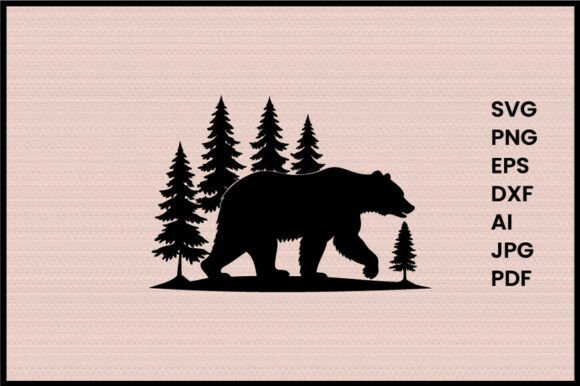
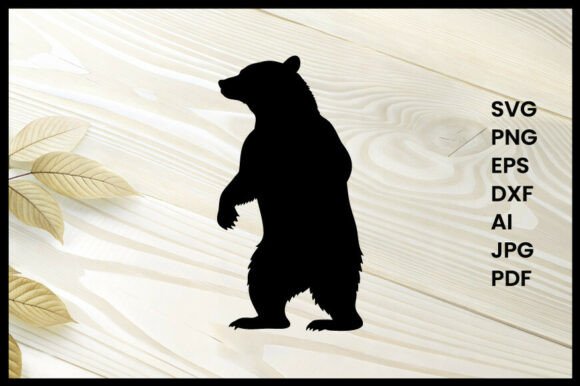
When I first saw the Bear Standing on Hind Legs Illustration, it struck me as a design with character. The silhouette is bold and expressive, yet simple enough to feel versatile. It’s the kind of illustration that evokes warmth and a touch of whimsy—perfect for a range of embroidery projects where visual storytelling matters. As someone who frequently works with machine embroidery designs, I always look for a balance between detail and practicality, and this one checks some important boxes.
A Natural Fit for Handmade Projects and Custom Apparel
This bear illustration has a strong visual presence without being overcomplicated. Its posture—standing on hind legs—is both playful and dignified, making it suitable for various themes from children’s clothing to rustic-themed home decor. The shape is well-defined, which means it can hold up in different stitch types like satin stitch for outlines or fill stitch for solid color areas. It’s not too fussy in its lines, so it won’t get lost when stitched onto fabric, especially if you’re working with cotton or linen blends.
I imagine using this design for a custom embroidered tote bag or sweatshirt. It would make an excellent focal point, particularly if paired with minimal text or other subtle graphics. The bear’s stance suggests strength and curiosity, qualities that could resonate with customers looking for unique, personalized gifts or boutique-style apparel. For baby items, like onesies or blankets, the silhouette is gentle enough to appeal to parents while still offering a modern aesthetic.
Performance in Real Embroidery Use Cases
In my experience, this type of illustration performs best when applied to mid-to-large-sized garments. On a tote bag, for example, the bear looks natural at around 6-8 inches tall. When scaled down to fit smaller hoop sizes, say under 4x4 inches, the details start to lose their clarity. This is something to be mindful of, especially if you're planning to use it for patches or caps. While it's possible to resize, the outcome may require careful editing to preserve the integrity of the design.
- Sweatshirts and T-Shirts: Works well with standard hoop sizes. The contrast between the bear and the garment stands out, even on light-colored fabrics.
- Tote Bags: A great choice for a standout feature. The design holds up well across different fabric weights and textures.
- Baby Clothes: Soft and approachable. It complements pastel palettes and adds a sense of charm to nursery sets or onesies.
- Aprons and Pillow Covers: Adds personality without overwhelming the product. Ideal for craft fair items or Etsy listings with a cozy vibe.
- Kitchen Towels and Blankets: Looks especially nice when paired with other nature-inspired motifs. The simplicity of the outline makes it easy to integrate into layered embroidery work.
- Holiday Gifts and Wedding Accessories: Can be adapted with seasonal colors or used as a neutral symbol for events like birthdays or weddings.
- Etsy Listings and Boutique Branding: Offers a professional finish when stitched correctly. Customers appreciate the handcrafted feel it brings to digital embroidery files.
What to Watch Out For
While the Bear Standing on Hind Legs Illustration is a strong candidate for many embroidery applications, there are a few scenarios where it might need extra attention:
- Small Hoop Sizes: Details may become too fine and risk distortion. Always test scaling before finalizing a project.
- Textured Fabrics: Raised textures can interfere with stitch density and make the bear appear less defined.
- Stretchy or Thin Materials: These can cause the design to pucker or distort during stitching. Using proper stabilizer becomes crucial here.
- Dark Fabric Backgrounds: Thread color selection is key. If you don’t have a white or cream thread option, the bear may not pop as intended.
- Curved Surfaces: Like hats or curved parts of jackets, the bear’s posture may not align properly unless the design is adjusted for curvature.
- Frequent Washing: Especially for items like aprons or tea towels, ensure the design uses durable stitches and quality thread to prevent fraying over time.
Design Notes for Embroidery Success
Before committing to a full production run or personal project, I recommend testing the digital embroidery file on scrap fabric. This will give you a clear idea of how the bear looks once stitched, including whether the stitch density is appropriate for your chosen material. Also, inspect the corners and limbs—these are often where small issues arise if the file wasn’t optimized for embroidery machines.
Here are a few steps I take to ensure good results:
- Test the design on fabric similar to what you’ll use for the final product.
- Review the thread color contrast against your background fabric.
- Check stitch density in high-detail areas like the bear’s face or paws.
- Confirm the recommended hoop size (if provided) and adjust accordingly.
- Use a black-and-white mockup to visualize how it will look without color.
- Inspect how the design interacts with different lighting and fabric backgrounds.
- Choose the right stabilizer based on your fabric type and machine settings.
Customer Perception and Project Value
From a customer perspective, the bear illustration feels intentional and crafted. It’s not just another stock graphic—it has a handmade quality that can elevate your product. Whether you're creating a personalized gift or branding your small shop, this design helps build trust through its clean, polished appearance. It also supports brand consistency if you plan to use it across multiple items, such as tote bags, aprons, and pillow covers.
Its giftability is another plus. People love thoughtful, custom embroidery, and this bear has that “just right” factor—neither too childish nor too generic. It fits neatly into the category of nature-themed illustrations that are currently popular among handmade product buyers. Plus, because it’s an instant download, it streamlines your workflow if you're selling digital embroidery assets or print-on-demand products.
Where This Design Shines
The Bear Standing on Hind Legs Illustration shines brightest when used on products where visual clarity and symbolic meaning matter most. Think of a sweatshirt embroidery for a kids’ line, a patch for a backpack, or a decorative applique for a holiday gift basket. The bear’s pose gives it a sense of movement and vitality that can turn a basic item into something memorable.
For commercial embroidery, this design offers a good middle ground between creativity and scalability. It’s recognizable enough to serve as a signature motif for your brand but still allows room for customization. If you're an Etsy seller or part of a local craft business, integrating this illustration into your product lineup can help you stand out without compromising on quality or professionalism.
Final Thoughts from a Designer’s Lens
Embroidery is more than just transferring a design to fabric—it's about ensuring that the final product meets both functional and aesthetic standards. The Bear Standing on Hind Legs Illustration passes the initial test with flying colors, but real-world application depends heavily on preparation and understanding of your materials and tools.
If you're considering this for a real project, I’d suggest using it on cotton-based fabrics with moderate weight and avoiding overly stretchy or delicate materials. It pairs well with minimalist styles and can easily be incorporated into printable mockups for marketing your digital embroidery files. Just remember: always confirm licensing terms before selling finished products or commercial design assets.
With the right care and attention, this illustration can add meaningful value to your handmade product range, helping you connect with customers who appreciate thoughtful design and quality craftsmanship.