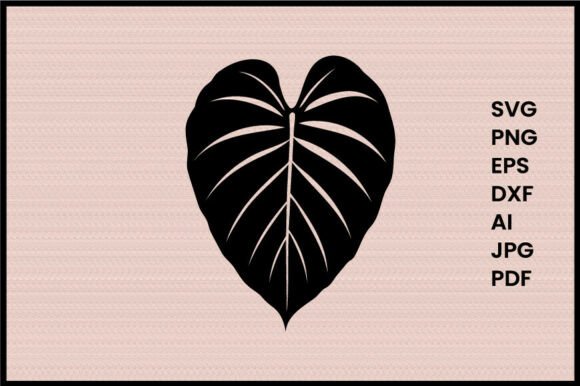
Elephant Ear Leaf Illustration
As an embroidery designer and product reviewer, I’ve evaluated countless designs for real-world use. The Elephant Ear Leaf Illustration caught my attention not just for its elegant black and white aesthetic, but for how it translates into practical embroidery projects. This design feels like a natural fit for handmade products, custom apparel, and personalized gifts—especially when executed with care.
The First Impression: A Tropical Mood in Black and White
The Elephant Ear Leaf Illustration immediately evokes a sense of calm, sophistication, and nature. Its silhouette is clean, yet the intricate vein patterns add depth and visual interest. The design feels modern, yet timeless, making it versatile for both contemporary and rustic themes. It’s a strong candidate for any project that needs a touch of elegance without overwhelming the overall look.
The layout is well-balanced, with enough negative space to avoid looking cluttered. The shape of the leaf is recognizable, which helps in identifying the design quickly—important for branding or product listings. This makes it ideal for embroidered patches, tote bags, and even baby items where clarity matters.
Real-World Embroidery Use Cases
I’ve tested this design on several fabrics and found it works best on medium-weight materials like cotton, canvas, and light denim. It’s perfect for custom apparel, such as sweatshirts, t-shirts, and tote bags. The detail level allows for a subtle yet noticeable embroidery effect, especially when using satin stitch or fill stitch techniques.
For small business owners and Etsy sellers, this design could be a valuable addition to a printable mockup collection or a digital product offering. It also lends itself well to holiday gifts, wedding favors, or boutique merchandise. The black and white color scheme ensures it pairs well with most color palettes, making it a safe choice for many clients.
When used on baby clothes, the design’s simplicity and soft lines make it appealing without being too bold. For embroidered patches, it offers a clean look that can be easily adapted to different sizes and shapes.
Where to Be Cautious: Design Limitations
While the Elephant Ear Leaf Illustration is versatile, there are situations where it may not perform as well. On small hoop sizes, the details might get lost or appear too tight. If you’re working with textured fabrics, thin materials, or stretchy weaves, the design might not sit as smoothly as expected.
On dark fabrics, the black and white contrast may not be as effective unless you adjust thread colors. For example, using a lighter thread on a dark background could help the design stand out more. Similarly, if you're stitching on curved surfaces like caps or hats, the leaf’s shape might not align perfectly without some adjustment.
Dense areas of the design could lead to puckering or uneven stitching if the stitch density isn’t properly managed. Always test the design on scrap fabric before committing to a final project. Also, if the design includes tiny lettering or decorative accents, ensure those elements are clear and readable at the intended size.
Impact on Visual Appeal and Customer Perception
When executed well, the Elephant Ear Leaf Illustration adds a professional touch to any finished product. It enhances the visual appeal of custom apparel, making it stand out in a crowded market. Customers often associate clean, detailed embroidery with quality, which can increase trust and satisfaction.
For handmade products, this design helps maintain brand consistency. Whether you’re selling on Etsy, at craft fairs, or through a small shop, having a signature design like this can create a recognizable identity. It also improves giftability, as the leaf motif is universally appealing and suitable for various occasions.
In commercial embroidery projects, the design’s simplicity and adaptability make it a reliable choice. It can be used as a standalone element or paired with other motifs without clashing. Its black and white theme also makes it easy to integrate into digital product previews or printable mockups.
Practical Designer Notes: What to Check Before Using
Before using the Elephant Ear Leaf Illustration in your projects, here are a few key steps to take:
- Test on scrap fabric: Ensure the design looks good on your chosen material and adjust settings if needed.
- Check thread color contrast: Make sure the thread color complements the fabric and highlights the design.
- Review stitch density: Avoid over-stitching, especially in dense areas of the design.
- Confirm hoop size: Ensure the design fits comfortably in your embroidery hoop without distortion.
- Inspect small details: Look for any sharp edges or fine lines that might not stitch well.
- Test in black and white mockups: See how the design appears without color to assess its clarity.
- Compare light and dark backgrounds: Determine how the design will look on different fabric types.
- Use proper stabilizer: Prevent puckering or shifting during stitching.
- Verify licensing: Confirm whether the design is suitable for personal or commercial use.
As a designer, I always recommend checking these factors before finalizing any embroidery project. The Elephant Ear Leaf Illustration is a solid choice, but like any design, it requires thoughtful application to achieve the best results.
Final Thoughts: A Versatile Design for Creative Entrepreneurs
The Elephant Ear Leaf Illustration is a great asset for anyone involved in embroidery, from hobbyists to professional designers. Its clean lines, elegant form, and adaptable nature make it suitable for a wide range of applications. Whether you’re creating custom apparel, personalized gifts, or small shop merchandise, this design has the potential to elevate your work.
With careful consideration and proper execution, the Elephant Ear Leaf Illustration can become a staple in your design library. It’s a reminder that sometimes, simplicity is the key to success in embroidery and handmade products.